

Prince William Sound: Where Ice Still Shapes the World

There are few places left where nature still feels completely in charge.

Prince William Sound is one of them.

Just an hour south of Anchorage lies the tiny port town of Whittier, Alaska—a community tucked between towering mountains and the sea. Reaching it is an adventure all its own. The only road into town passes through the Anton Anderson Memorial Tunnel, a 2.5-mile tunnel carved straight through the mountain. It's shared by both trains and vehicles, and because traffic flows only one direction at a time, missing your scheduled entrance means waiting for the next opening. It's an unusual introduction to one of Alaska's most remarkable places.

When we finally emerged from the tunnel, Whittier felt like another world.

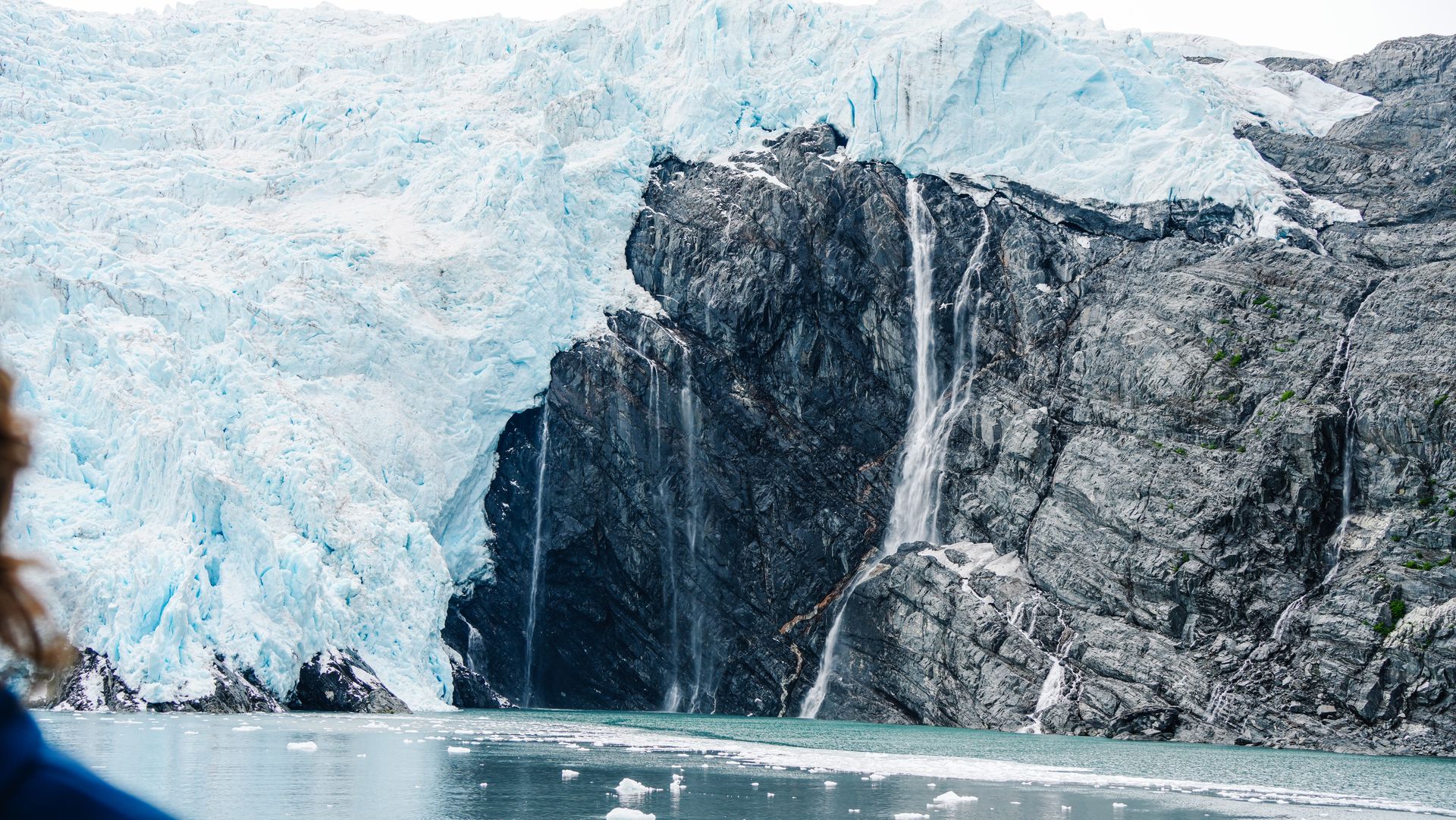
Waterfalls poured down nearly every mountainside, fed by melting snow high above. Fishing boats gently rocked in the harbor while visitors wandered between small local shops, a bakery, and the docks preparing for the day's glacier cruises. It's a small town with an even bigger personality—where nearly half the population lives in the same building, the Begich Towers, making it one of the most unique communities in America.

Into the Sound

We had come for one reason.

To show our children glaciers.

Our family of ten boarded a glacier cruise that would carry us deep into Prince William Sound, home to dozens of tidewater glaciers, countless islands, and one of the richest marine ecosystems in North America.

Within ten minutes of leaving the harbor, movement caught my eye.

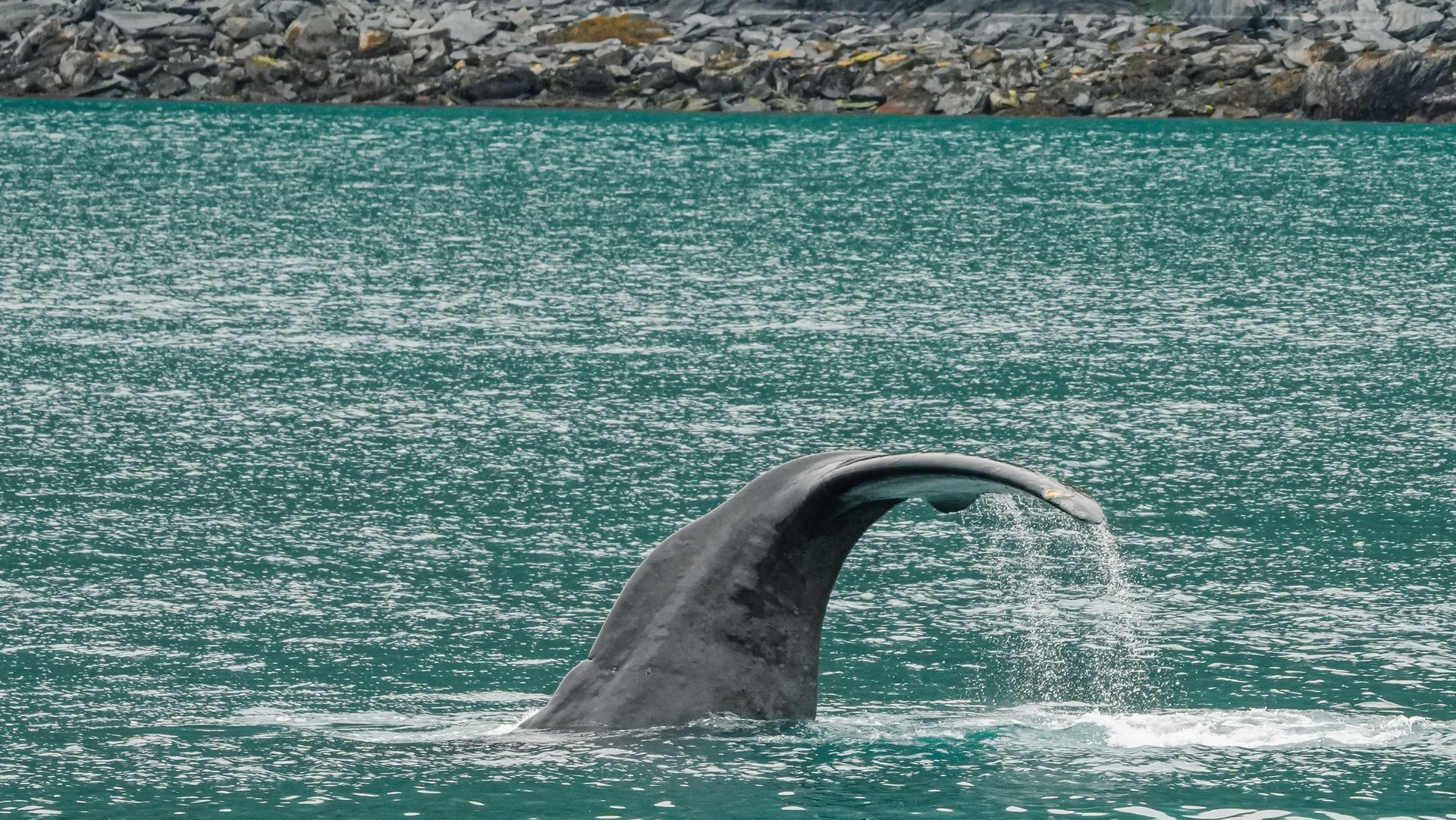
A dark back surfaced briefly beside the boat.

Camera in hand, I rushed to the railing and managed a few quick photographs before pointing it out to the crew. The captain immediately turned the vessel, giving everyone onboard a front-row seat as a humpback whale surfaced once more before gracefully arching its back and disappearing beneath the water.

That moment set the tone for the rest of the day.

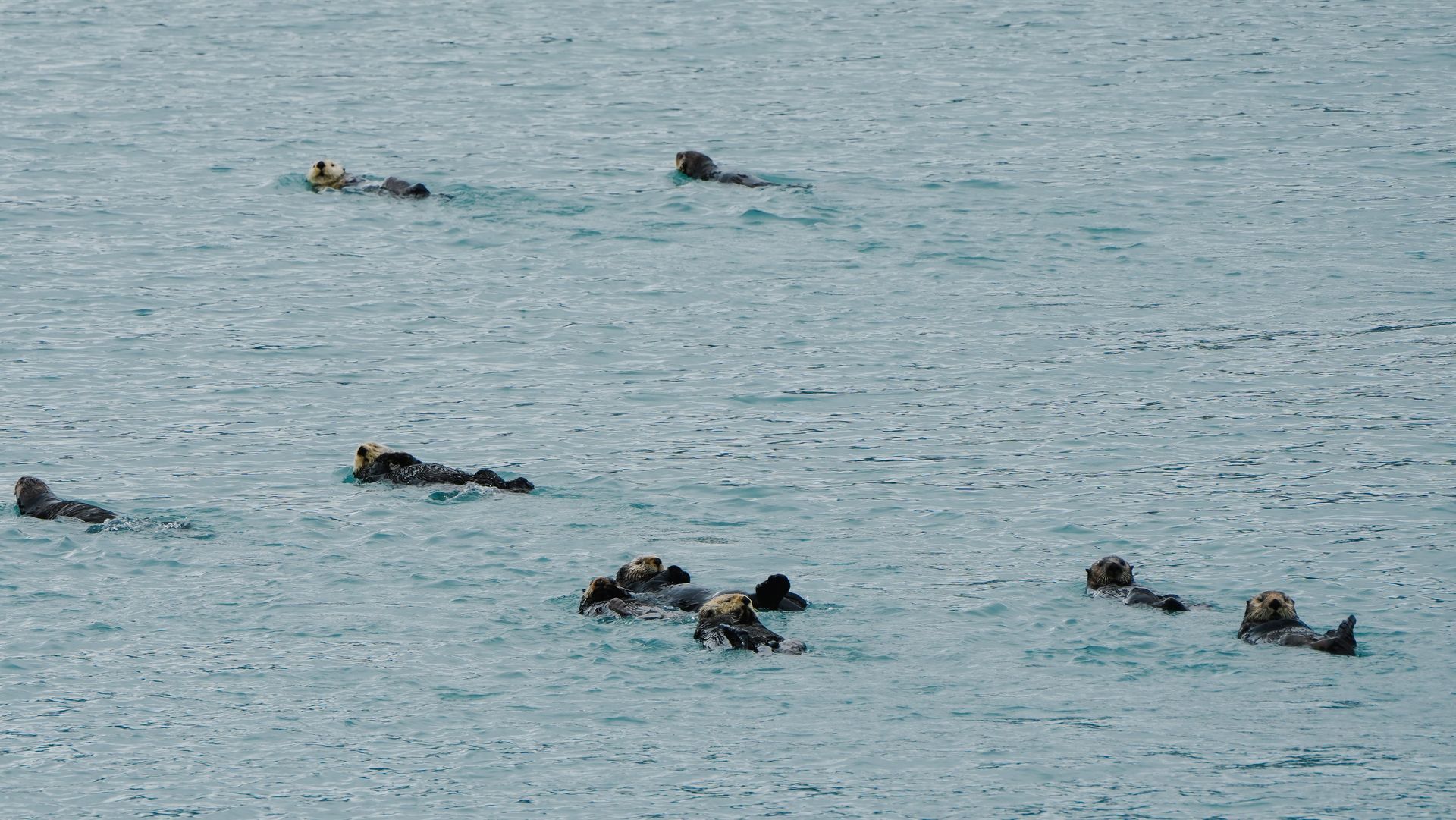
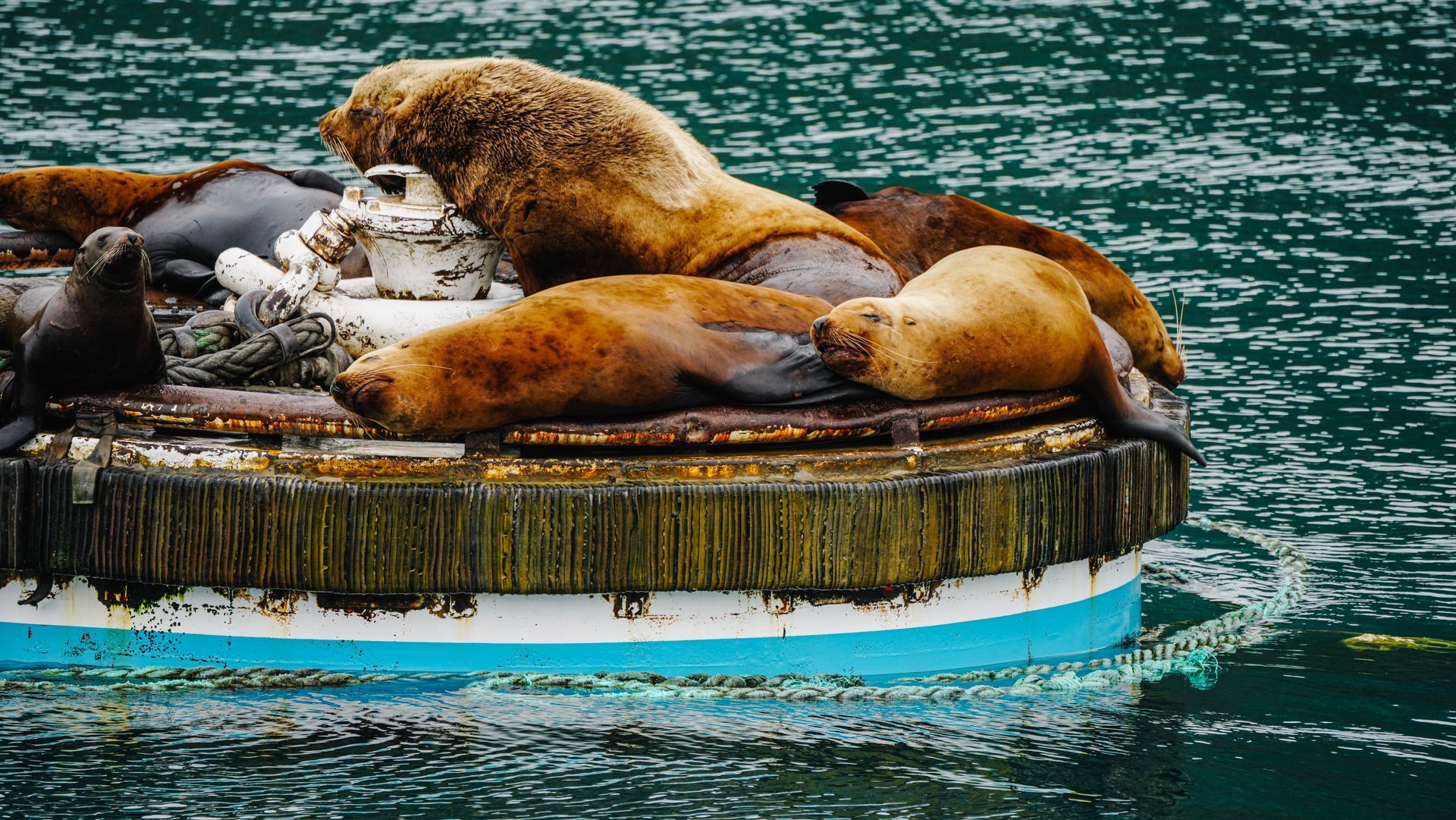
Camera always within reach, I searched every shoreline and rocky outcrop. Bald eagles perched high above the coastline. Sea otters floated effortlessly on their backs. Harbor seals rested peacefully atop floating chunks of glacial ice, completely unfazed by our presence. More than once I convinced myself distant black rocks were actually bears—only for my telephoto lens to prove otherwise.

Out here, you're constantly looking.

Nature rewards those who pay attention.

The Sound of a Living Glacier

The farther we traveled into Prince William Sound, the colder the air became.

Long before we reached the glacier, we could feel it.

Cold air spilled down the face of the ice like an invisible river, carrying with it a sharp freshness unlike anything we'd experienced before.

Then it happened.

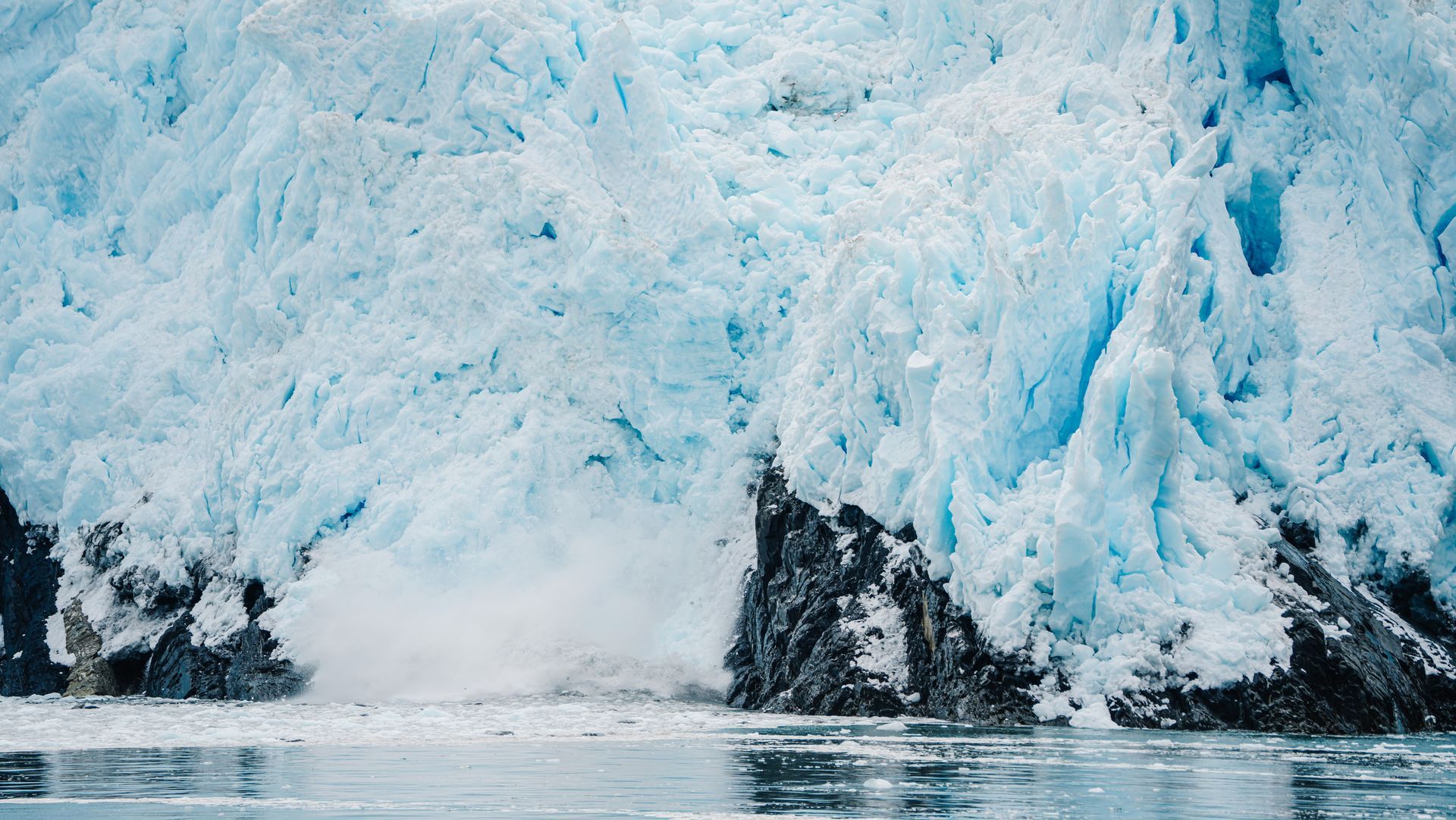
A section of the glacier fractured.

The crack echoed across the fjord before thousands of tons of ancient blue ice thundered into the ocean below. The explosion of water sent waves rolling across the bay while harbor seals calmly watched from nearby icebergs, as if glacier calving was just another ordinary afternoon.

It lasted only seconds.

We'll remember it forever.

Scientists call this process calving, when pieces of a glacier naturally break away into the ocean. It's one of the primary ways Alaska's tidewater glaciers continue to reshape the coastline—a reminder that these frozen rivers are constantly moving, even if we can't see it.

A Landscape That Changes You

One of the greatest gifts of Prince William Sound isn't simply seeing glaciers.

It's experiencing scale.

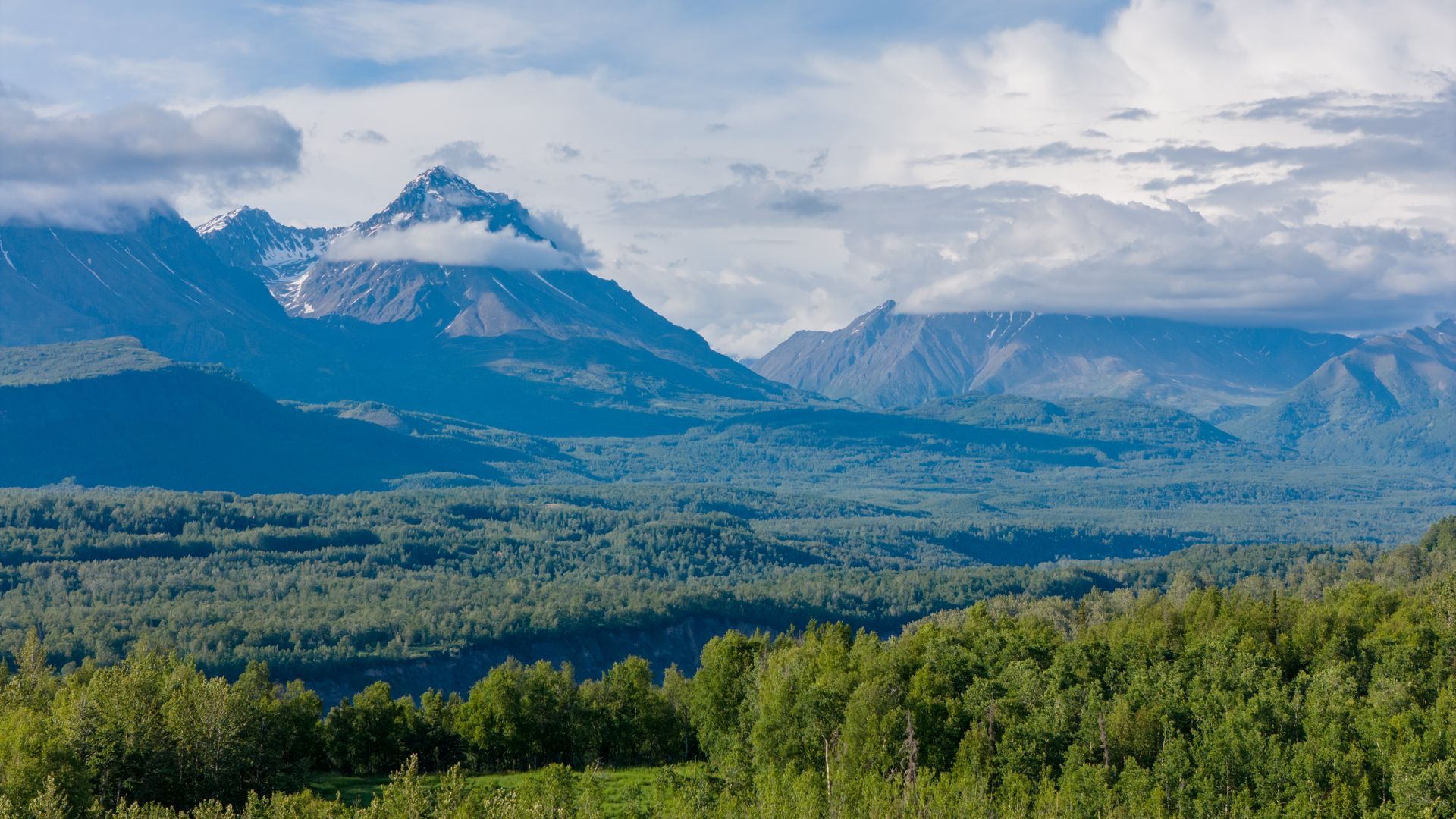
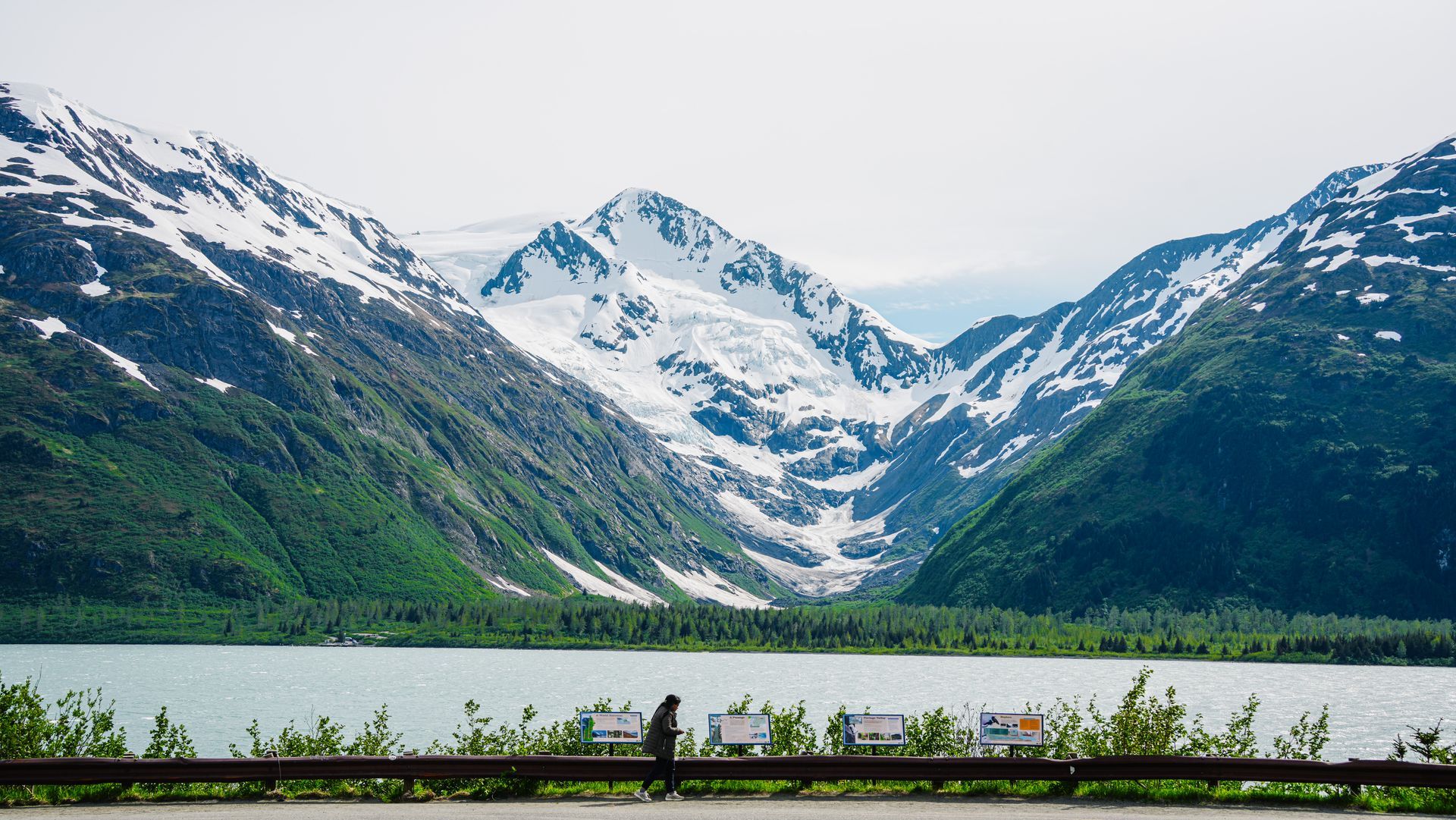
The mountains rise thousands of feet straight from the ocean. Waterfalls appear as tiny silver threads until you realize they're hundreds of feet tall. Glaciers that seem close enough to touch are still miles away.

It's impossible not to feel small.

And somehow, that's exactly the point.

Standing in landscapes this immense has a way of putting life back into perspective. Our schedules, deadlines, and daily routines suddenly seem much less important.

Creation has a way of doing that.

More Than a Boat Tour

By the end of the afternoon, we'd visited several glaciers, enjoyed a warm bowl of clam chowder aboard the boat, and watched wildlife thrive in one of the most pristine marine environments left in North America.

The cruise eventually carried us back toward Whittier, where the harbor looked just as peaceful as it had that morning.

Only we weren't quite the same.

If You Go

Summer is the perfect time to explore Prince William Sound. Wildlife is active, glaciers are accessible by boat, and long daylight hours give you plenty of time to enjoy the experience.

Dress in layers, even on warm days. The wind pouring off the glaciers can drop the temperature dramatically once you're out on the water.

Bring binoculars if you have them.

Keep your camera ready.

And don't spend the entire trip looking through a viewfinder.

Some moments deserve to be experienced with your own eyes first.

Why We'll Return

Prince William Sound wasn't just another stop on our 11-day Alaska adventure.

It became one of the defining memories of the entire trip.

Not because we saw whales.

Not because we watched glaciers calve.

Not even because of the incredible wildlife.

We'll remember it because it reminded us how wonderfully small we really are.

In a world that often feels crowded and fast, Prince William Sound is a place where ice, mountains, wildlife, and ocean still set the pace.

And that's something worth experiencing at least once in a lifetime.

Featured Photos

Recent Posts

Golfers on a green fairway with mountains and cloudy sky in the background
By Jesse Sampley • August 29, 2026
Golf in a tropical rainforest? Pretty much. The course winds beneath Oʻahu’s dramatic Koʻolau Mountains, the remains of an ancient volcano, through scenery so prehistoric you half expect a dinosaur to walk out of the jungle. And depending on when you visit, you just might see one.
Blue glacier melting into dark seawater with icy cliffs and floating ice chunks
By Jesse Sampley • August 29, 2026
There are more than 150 named glaciers in the greater Prince William Sound region. Mountains plunge into the sea, waterfalls appear with the summer snowmelt, and enormous pieces of ancient ice still break into the water. Creation feels especially big here.
By Jesse Sampley • August 29, 2026
Sea turtle swimming beside a coral reef in clear blue water
By Jesse Sampley • July 3, 2025
Discover Pūpūkea on Oahu's North Shore, from Sharks Cove snorkeling and Waimea Bay to breathtaking overlooks, local culture, and family adventures.